Open the Walls: A Seasonal Wardrobe Inspection That Thinks Like a Contractor
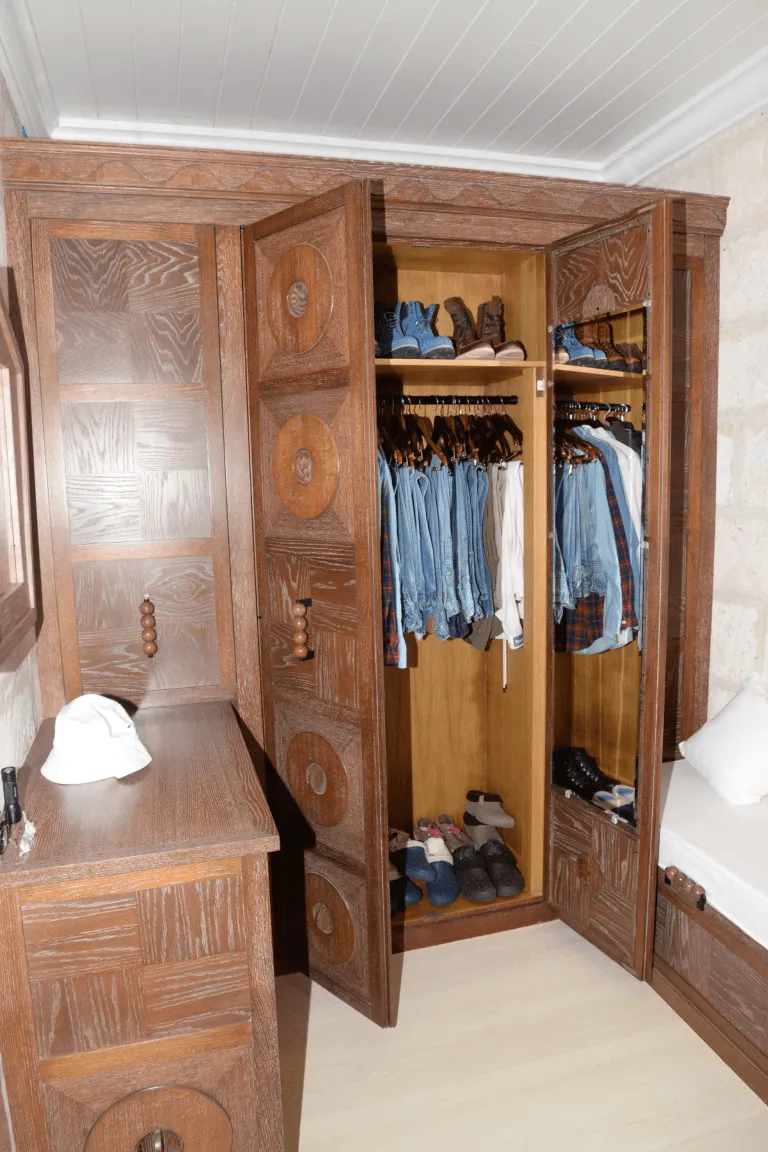
Photo: Federal Bureau of Investigation, Public domain, via Wikimedia Commons
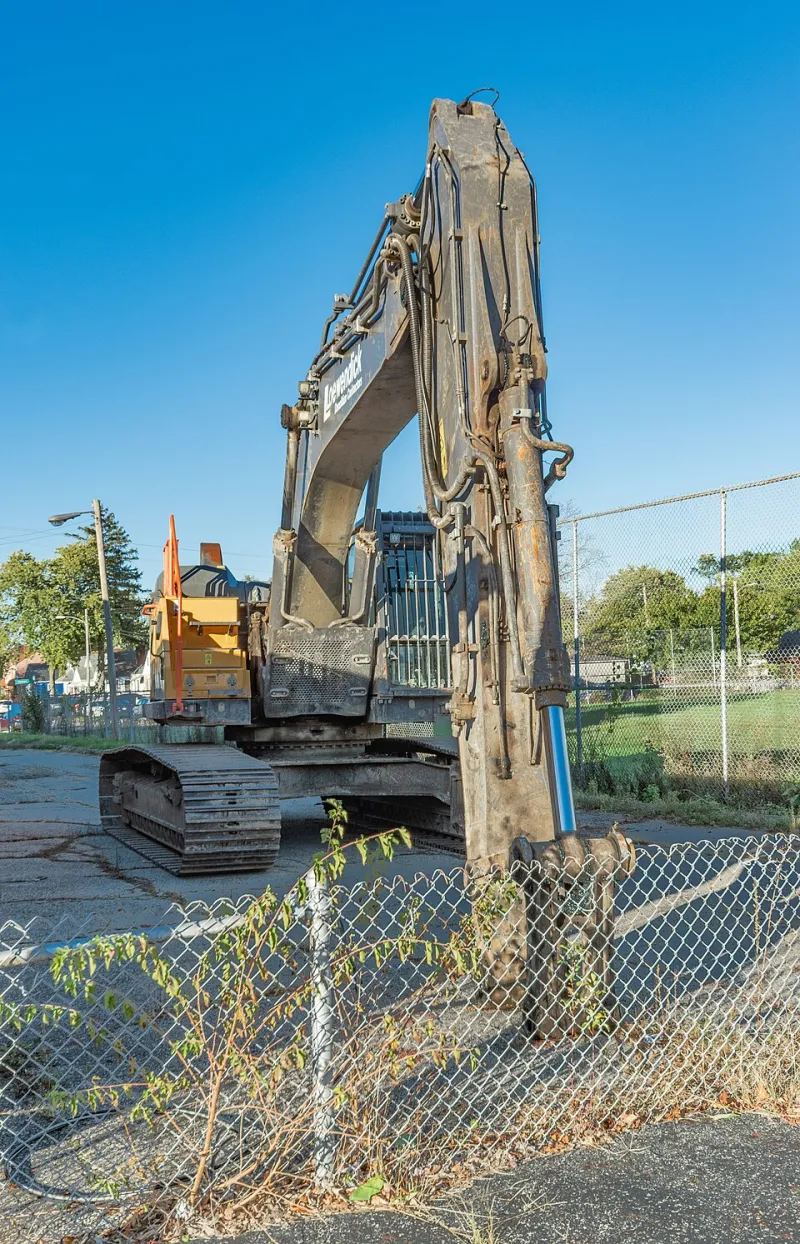
Ask any contractor in Chicago or Austin and they will tell you the same thing: nobody renovates a house without opening the walls first. You cannot know what holds and what fails until you have looked behind the drywall. Yet most of us treat our closets the way a negligent landlord treats a rental property — we notice problems only when something collapses.
This season, run your wardrobe the way a serious builder runs a job site. Once every three months, schedule a full inspection. Set aside a morning, clear the bedroom floor, and pull every garment into the light. What follows is the checklist.
Phase One: The Walkthrough
Before touching a single hanger, stand back and survey. Do not edit yet — just observe. Which pieces do you reach for without thinking? Which ones have not moved since the last inspection? Dust on a shoulder is data.
Note three things on paper: your workhorses, your orphans, and your question marks. The workhorses are your load-bearing walls. The orphans are the decorative alcoves — beautiful, but serving no function. The question marks are the rooms you have been avoiding.
Phase Two: The Structural Inspection
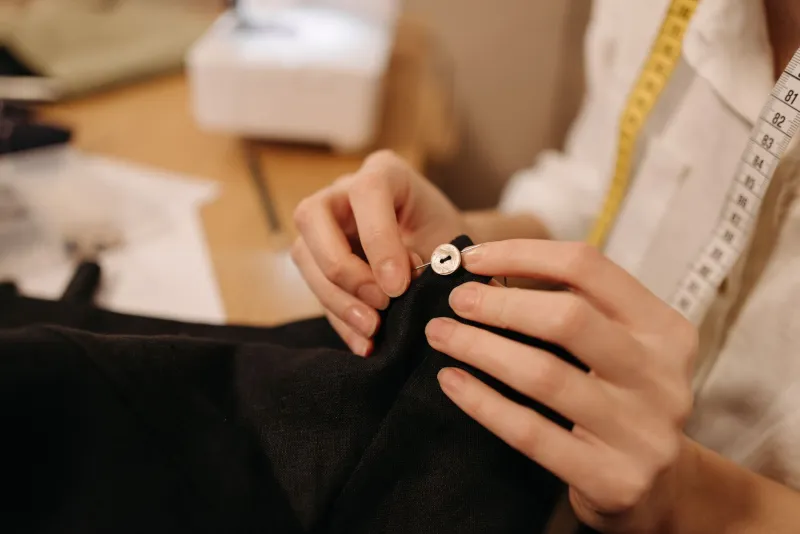
Now examine each garment the way an inspector examines a house. Check the foundation first: hems, seams, buttons, zippers. A shirt with a loose thread is cosmetic wear; a jacket with a failing shoulder seam is a structural issue.
Apply these four ratings:
- Sound. Construction intact, fit correct, worn within the last month. It stays.
- Renovate. Good bones, surface problems. A missing button, a hem that has drifted, a waistband that no longer holds. These go to the tailor, not the donation bin.
- Repurpose. Structurally fine but functionally obsolete — the blazer that no longer fits your life. Trade it to a consignment shop or a friend before it becomes dead inventory.
- Demolish. Stained, stretched, or beyond repair. Thank it, then let it go. Salvage what you can — quality buttons and zippers from a demolished garment can outfit the survivors.
Phase Three: The Renovation Budget
A contractor never tears into a project without a budget, and neither should you. Count what remains after the inspection. Most American closets are overbuilt: dozens of pieces doing the work that twenty could do better.
Set a renovation budget — the specific list of alterations and replacements worth funding this season. Maybe it is one tailoring run and one replacement for a demolished staple. Write it down. A wardrobe audit without a budget is just a guilt exercise; with one, it becomes a design project with a completion date.
Phase Four: Rebuild to Code
Return everything to the closet by zone, the way a crew restores a house room by room. Workwear on one run, casual layers on another, occasion pieces stored like the good china. When each garment has an assigned address, getting dressed stops being a search and becomes a selection.
Then — and this is the part most people skip — schedule the next inspection before you close the closet door. Put it on the calendar for the first weekend of the following season. Buildings that are maintained regularly rarely need rescue.
The Payoff
There is a reason the renovation shows Americans love always begin with the reveal of what was hiding behind the walls. The satisfaction is not in the demolition; it is in the clarity that follows. A wardrobe that has been inspected, rated, and rebuilt to code will carry you through the season the way a well-built house carries a family — quietly, reliably, without asking you to think about the structure underneath.
Open the walls. See what holds. Build back only what earns its place.