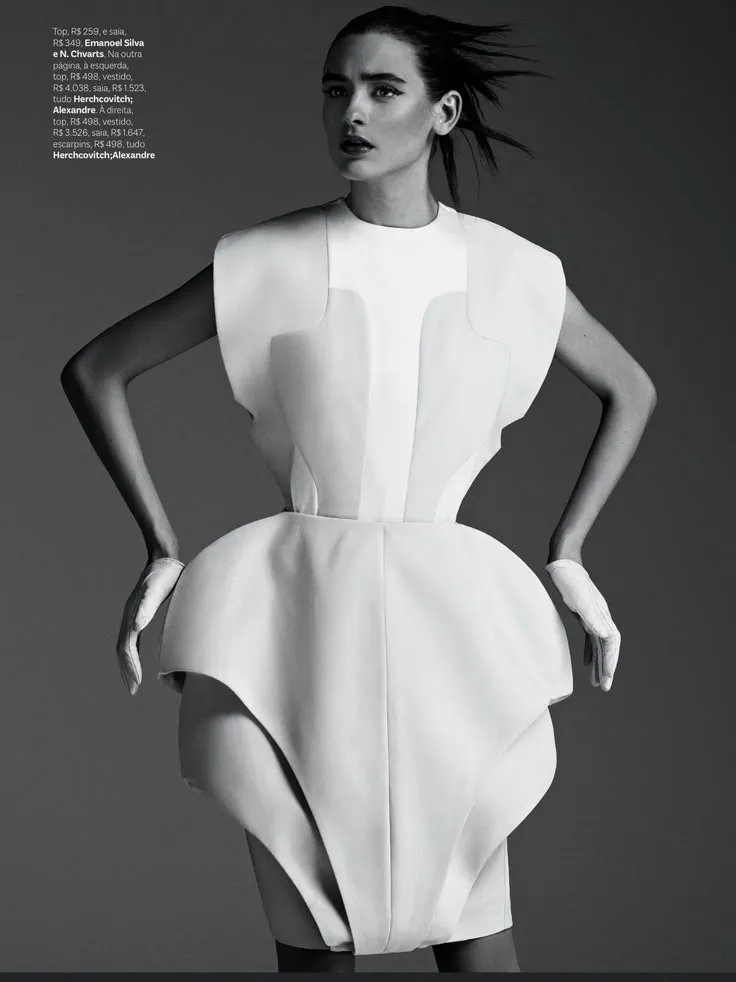
The Foundation Piece: How One Accessory Bears the Weight of Everything Else You Wear

In architecture, nothing stands without a load path — a continuous route by which weight travels from the roof, through the frame, and down into the earth. Remove one beam, one footing, one critical support, and the whole system fails. Dressing works the same way. Every outfit, no matter how minimal, has a component that carries the visual load: the piece that anchors the silhouette, redistributes attention, and keeps the composition from collapsing into shapelessness.
We call these load-bearing accessories, and learning to recognize them is the single most useful skill a wardrobe can acquire.
What Makes an Accessory Load-Bearing
A load-bearing accessory is not necessarily the loudest item you own. It is the one doing the structural work — usually through one of three functions.
Weight distribution. A wide leather belt at the natural waist breaks a long column of fabric into two proportional zones, instantly giving a slip dress or an oversized shirt a sense of order. Without it, the eye has nowhere to rest and the outfit reads as unfinished rather than effortless.
Vertical anchoring. A sculptural boot — think a squared-off toe, a substantial block heel, a shaft that meets the hem with purpose — connects the body to the ground. It is the footing of the outfit. The same trousers paired with a flimsy flat versus a structured boot produce two entirely different buildings.
Focal compression. An architectural bag, with clean geometry and deliberate hardware, concentrates visual interest at a single point. It functions like a column capital: small, but it carries everything above it and announces where the structure begins.
The Audit: Finding Your Existing Supports
Before buying anything new, conduct a simple audit of the outfits you already reach for. Put on your most reliable look — the one that always works — and remove one accessory at a time. The piece whose removal causes the most visible collapse is your load-bearing element.
Most people discover one of three patterns:
- Belt-dependent dressers whose looks fall apart without waist definition. Their support piece is horizontal, and they should invest in belts with genuine substance — 30mm or wider, in leathers with enough body to hold a shape rather than curl.
- Boot-anchored dressers whose proportions live or die at the ankle. Their support piece is vertical, and heel height and shaft structure matter more than trend.
- Bag-anchored dressers who use a structured carryall as the outfit's organizing principle. Their support piece is portable architecture, and hardware finish should be chosen as deliberately as a belt buckle.
Once you know your type, you can stop buying accessories at random and start buying them as structural necessities.
Shopping with Structural Intent
When evaluating any potential support piece, apply three tests borrowed straight from the building trades.
The load test. Hold the accessory in your hand. Does it have mass and memory — does the leather resist bending, does the hardware feel like it was milled rather than molded? A support piece should feel capable of carrying something.
The proportion test. Scale matters. A delicate belt under a heavy coat is a toothpick holding up a beam. Match the visual weight of the accessory to the weight of the garment it supports. Oversized tailoring demands oversized structure.
The integration test. A footing must meet the ground it stands on. Consider where the piece connects to the rest of the outfit: the boot shaft against the hemline, the belt against the waist seam, the bag strap against the shoulder line. Supports that meet the garment at a deliberate point look engineered; supports that meet it accidentally look improvised.
Building Around the Support
Here is the counterintuitive payoff: once you identify your load-bearing accessory, everything else gets easier. The support piece becomes the fixed point from which the rest of the outfit is measured, which means your simplest garments — the plain trouser, the unadorned dress, the boxy tee — can be genuinely simple, because the structure is provided elsewhere.
This is the quiet philosophy behind American workwear and Midwestern practicality alike: one solid piece holds the system up so everything else can breathe. A Chicago winter coat needs nothing more than a decisive belt and a grounded boot to look intentional. A California slip dress needs only a substantial sandal or a wide strap to become composed.
Structure, in the end, is not about adding more. It is about knowing which single element is holding everything else in place — and choosing it the way an engineer chooses a footing: deliberately, durably, and to bear weight.