The Balance Principle: An Architectural Approach to Building Outfits That Work
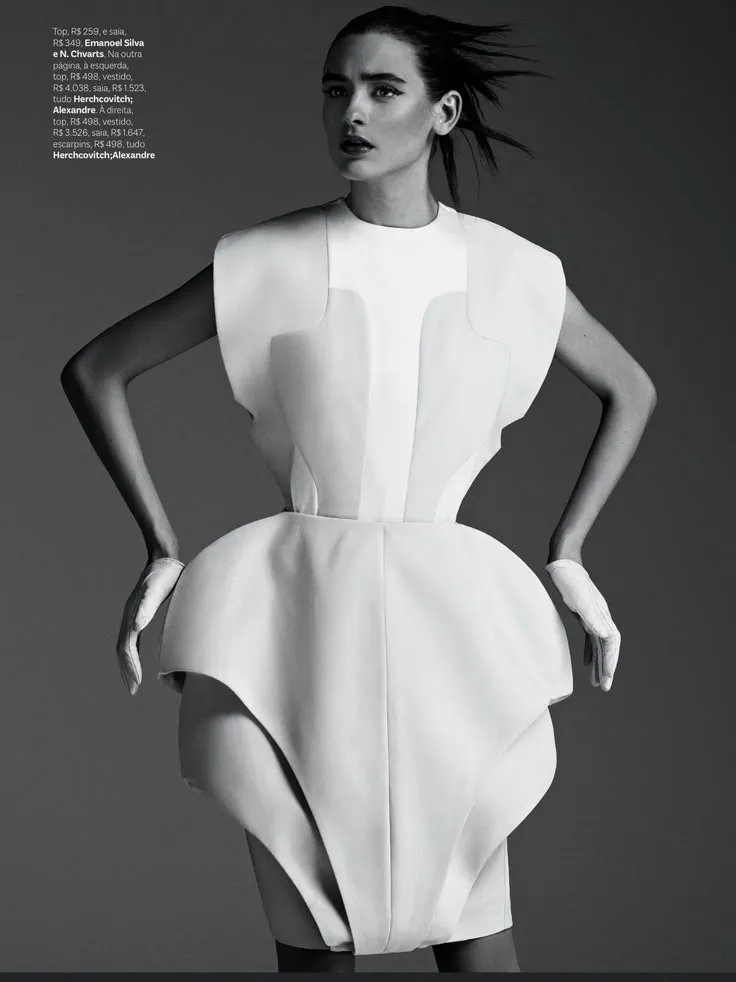
Photo: structured minimalist fashion outfit flat lay geometric symmetry editorial, via i.pinimg.com
When a building feels right — when you walk into a room and experience an immediate, almost physical sense of order — the cause is rarely a single dramatic gesture. It is the accumulation of deliberate decisions: the proportional relationship between ceiling height and floor area, the rhythm of windows spaced along a wall, the way one structural element answers another across a central axis. The feeling is one of balance, and it is achieved through method, not accident.
Dressing well operates on the same principles. The outfits that consistently read as polished and intentional are not the product of trend-chasing or expensive individual pieces. They are the result of understanding how visual weight, proportion, and repetition interact — and making choices accordingly. This guide applies the core concepts of architectural balance directly to the practice of building outfits, giving you a repeatable framework that produces results independent of season or trend cycle.
Understanding Visual Weight
Before you can balance an outfit, you need to understand what you are balancing. In architectural terms, visual weight refers to how much attention a given element draws relative to others in a composition. A solid concrete wall carries more visual weight than a glass curtain wall of the same dimensions. A load-bearing column reads as heavier than a decorative pillar.
In clothing, visual weight is determined by a combination of factors: color depth, fabric texture, pattern scale, and structural volume. A chunky-knit sweater in charcoal carries significant visual weight. A fine-gauge turtleneck in ivory carries very little. A wide-leg trouser in a heavy wool reads as more substantial than a slim-cut pant in a lightweight cotton.
The first step in building a balanced outfit is assessing the visual weight of each piece you are considering. Once you can identify where the weight sits, you can begin to distribute it intentionally.
Symmetry vs. Asymmetry: Choosing Your Framework
Architectural balance takes two primary forms: symmetrical and asymmetrical. Both are valid. Both produce a sense of order. They simply achieve it through different means.
Symmetrical balance — the kind you find in a classical Federal-style building — places equal visual weight on either side of a central axis. In dressing terms, this translates to outfits where the top and bottom halves carry similar weight, or where a layering piece (an open blazer, a long cardigan) frames the body evenly on both sides. This approach tends to produce looks that feel formal, authoritative, and deliberately composed.
Asymmetrical balance — more characteristic of contemporary architecture — distributes visual weight unevenly but maintains equilibrium through counterpoint. A heavy element on one side is answered by a different kind of weight on the other. In an outfit context, this might mean pairing a voluminous, structured top with a narrow, sleek trouser. The mass is concentrated up high; the leg provides a clean, grounding counterweight. The result is dynamic rather than static, but still fundamentally ordered.
Neither approach is inherently superior. The choice depends on the context, the pieces available, and the kind of statement you intend to make. What matters is that you choose deliberately rather than by default.
The Grid Concept: Using Alignment to Create Cohesion
Architects work with grids — underlying organizational systems that determine where elements are placed and how they relate to one another. Even when a grid is not visible in the finished building, its presence is felt in the sense of order and alignment that the structure projects.
You can apply the same concept to outfit construction by thinking about alignment points. The most useful of these is the waistline — the horizontal axis around which upper and lower body elements are organized. How you define and position this line has an outsized effect on how your proportions read.
A defined waist — created by tucking a shirt, belting a coat, or choosing a piece with structural shaping at the midsection — establishes a clear grid line that the eye can use to organize the rest of the composition. Pieces that are deliberately related to this line (a top that ends just above it, trousers that sit precisely at it) create a sense of intentional alignment. Pieces that obscure or ignore it tend to produce a look that feels unresolved.
A practical exercise: before leaving the house, identify where your visual waistline sits in a given outfit and ask whether each piece is in a deliberate relationship to that line. If the answer is unclear, that is usually where the outfit needs adjustment.
Rhythm Through Repetition
One of the most powerful tools in an architect's vocabulary is repetition — the use of a consistent element at regular intervals to create visual rhythm. A colonnade is more than a row of columns; it is a rhythm that the eye follows and finds satisfying. A façade with evenly spaced windows creates a cadence that the viewer experiences almost physically.
In outfit terms, rhythm is created by repeating a visual element — a color, a shape, a texture — at multiple points within the composition. This is the principle behind the concept of "pulling a color through" an outfit: using the same tone in a shoe, a belt, and a bag creates a rhythm that ties disparate elements into a coherent whole.
The same principle applies to shape. If you are wearing a structured, boxy jacket, introducing a second boxy element — a square-toed shoe, a rectangular clutch — creates a visual echo that reinforces the overall geometry of the look. The eye recognizes the repetition and reads it as intention.
Practical application: Identify one element in your outfit's anchor piece — its dominant color, its primary shape, its texture — and find at least one other place to introduce that same element. The repetition does not need to be exact; a variation on the theme is often more sophisticated than a direct copy.
Proportion in Practice: Three Outfit Frameworks
With the above principles in hand, here are three proportion frameworks that apply architectural balance to real dressing situations:
The Two-Thirds Rule: Rather than dividing the body at the natural waist (50/50), try positioning your visual break point at approximately two-thirds of your height from the floor. This is the proportional relationship that architects call the golden section, and it appears in everything from the Parthenon to the average American front door. In practice, this often means wearing your top slightly longer or your trousers slightly higher-waisted than convention suggests. The result is a proportion that reads as more considered than an even split.
Volume at One End: Choose one zone of the body — upper or lower — to carry the outfit's structural volume, and keep the other zone lean. A wide-shouldered, oversized coat works because the legs beneath it are straight and uncluttered. A full, pleated trouser works because the top half is close and controlled. Splitting the volume evenly between both zones tends to produce a look that feels heavy rather than bold.
Tonal Grounding: When working with a complex or layered outfit, anchor the composition with a darker or heavier tone at the base. This mirrors the architectural principle of a solid foundation beneath a lighter superstructure — and it produces the same sense of stability. Light on top, grounded below is a proportion relationship that the eye finds inherently satisfying.
Building the Habit
The goal of this framework is not to make getting dressed feel like an engineering problem. It is to give you a set of reliable reference points that you can consult quickly and apply intuitively over time. The architects who design the most compelling buildings are not consciously calculating every proportion decision in the moment — they have internalized those principles through practice until they become instinct.
The same process is available to anyone willing to approach their wardrobe with the same quality of attention. Structure your style deliberately, and the results will speak for themselves.