The Permit Process: How to Green-Light a Statement Piece Without Demolishing Your Wardrobe
Every American city has a building department, and every building department exists for the same reason: impulse is a terrible architect. You cannot wake up one morning in Portland and pour a foundation on the sidewalk. You cannot add a third story to a brownstone in Brooklyn because the mood struck you. The permit process demands that you prove, in advance, that what you intend to build will not compromise the structure around it.
Your closet deserves the same scrutiny. Statement pieces — the structured coat, the sculptural blazer, the wide-leg trouser with a seam line sharp enough to draw blood — are the renovations of a wardrobe. Done well, they raise the value of everything nearby. Done carelessly, they are the addition that leaks.
Phase One: Survey the Existing Structure
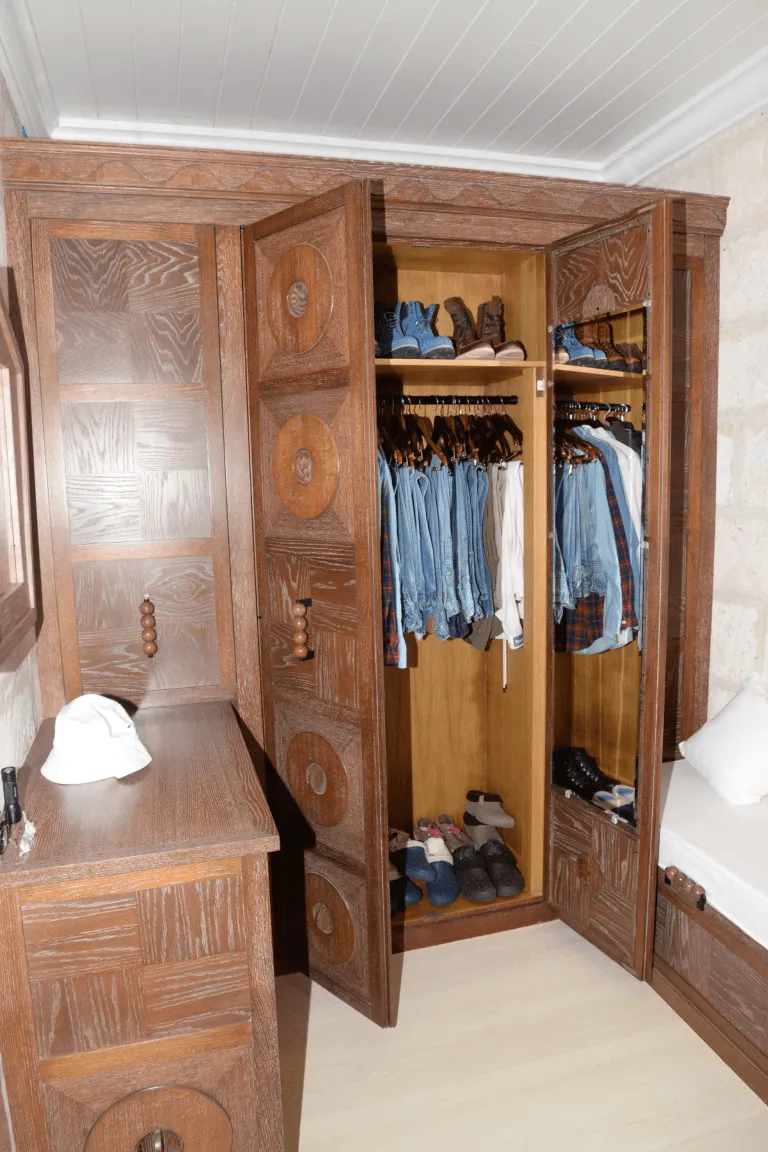
No contractor breaks ground without knowing what is already standing. Before any statement purchase, conduct a blunt inventory. Open the closet and ask three questions of what hangs there.
First: what carries the most wear? These are your load-bearing garments — the pieces your daily outfits quietly rest upon. Second: what has failed? The blazer with the collapsed shoulder, the trousers that no longer forgive lunch. Third: what is vacant? Every wardrobe has an unfilled lot, a gap in the skyline where something structural is missing.
The survey matters because statement pieces do not exist in isolation. A dramatic asymmetric coat is only an asset if it has a body of simpler garments to lean against. Buy the bold piece before you have the quiet structure, and you have built a tower on sand.
Phase Two: The Fit Inspection
Cities require inspections before a permit is granted, and so should you. The fitting room — or the living room, if you order online — is your inspection site, and the standards should be stricter than for ordinary purchases.
Stand in front of a mirror under real light. Raise your arms: does the shoulder seam hold its position or migrate up the arm? Sit down: does the structured waistband hold its line or buckle? Walk the length of the room. A statement piece is architecture for the body, and architecture that cannot bear the ordinary movements of a Tuesday is decoration, not construction.
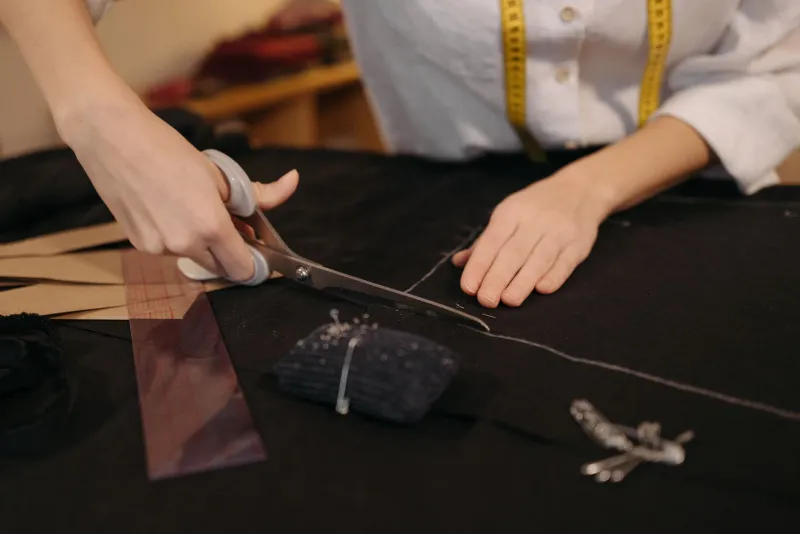
One more inspection criterion, borrowed from the trade: check the seams the way a contractor checks the joints. Turn the garment partially inside out. Look for finished interior seams, reinforced stress points, and pattern-matching at the joins. Slow-fashion designers — from small Los Angeles ateliers to heritage workshops in New England — routinely point to interior finishing as the single most honest indicator of whether a garment was built to last a decade or a season.
Phase Three: Prove the Plans
A permit requires documentation. Your statement purchase requires the same: a written case for why this piece, at this price, at this moment.
Answer the following before money changes hands:
- The ten-year test. Will the silhouette read as intentional in a decade, or is it a trend with an expiration date? Architectural shapes — strong shoulders, clean columnar lines, considered volume — age like concrete. Novelty gimmicks age like paint.
- The three-outfit rule. Name three complete outfits you can build with pieces you already own. If you cannot, the piece does not fit your structure yet.
- The cost-per-wear ledger. A $600 coat worn 100 times costs $6 per wear. A $150 coat worn five times costs $30. Do the math like your accountant is watching.
- The material spec sheet. Natural fibers, dense weaves, and substantial hardware are the rebar of garment construction. If the label reads like a packaging list, treat it as a red flag.
The Seasonal Permit Calendar
Renovations follow a calendar, and so should considered shopping. Anchor major statement purchases to the two moments when retailers are honest about longevity: the early fall and the late winter.
Autumn permit window (September–October). Outerwear and tailoring hit floors at full price and full selection. This is the season to approve one significant structural piece — the coat that will define the skyline of your winter.
Winter permit window (January–February). With resale and end-of-season pricing, this is the moment for the statement piece you inspected in autumn and refused to overpay for. Patience is a construction material.
Spring and summer: no major permits. Use these seasons for maintenance — tailoring, repairs, resoling — the preservation work that keeps the existing structure sound.
One permit per window. That is the discipline. A household that renovates every room at once ends up living in rubble.
Build What Outlasts the Trend Cycle
The designers doing the most interesting work in American slow fashion share a philosophy that sounds remarkably like building code: they design for the inspector who comes back in ten years. Weighted hems that let a garment hang true. Seams placed where a tailor can reach them. Silhouettes drawn from architecture rather than from last month's runway.
That is the standard your permit process should enforce. A statement piece, properly approved, is not an impulse — it is an addition to a structure you are responsible for maintaining. Survey first. Inspect the fit. Prove the plans. Then break ground on something worth standing in for years.
Print the checklist. Tape it inside the closet door. The building department is open.